That sentence sounds fake even to me.
A few nights ago I was working on a music track built around accusation, neon paranoia, and sweaty urban loneliness. The original concept was simple enough: smoky nightclub energy, emotionally unreliable narration, whispers in alleyways, all the usual “Steve stares too long into neon reflections again” material.
Then something weird happened.
The project started arguing with me.
Not metaphorically. Creatively.
Instead of becoming a modern nightclub video, it kept pulling backward through time. Ancient ruins started appearing in the image generations. Ceremonial dancers emerged in the prompts without me asking for them. Reflective artifacts kept showing up. Tiny mirrored surfaces. Gold ornaments. Ritual circles.
At some point I stopped trying to control it.
That’s usually when the real work begins.
2/9
The breakthrough happened with one ridiculous sentence:
“What if archaeologists uncovered evidence that disco culture existed in ancient civilizations?”
I laughed for about thirty seconds.
Then immediately realized it was emotionally correct.
Not historically correct.
Emotionally correct.
Because disco — at its core — is not really about the 1970s.
It’s about humans trying to dissolve loneliness through synchronized movement, sweat, rhythm, light fragmentation, pair bonding, and temporary belonging in the dark.
Babylon probably had that.
Pompeii probably had that.
Some forgotten civilization absolutely had two exhausted people slow dancing under firelight while somebody played drums badly nearby.
The mirrored disco ball suddenly stopped feeling kitschy.
It became archetypal.
3/9
So the project mutated into a fake prestige archaeology documentary.
Very serious PBS / History Channel energy.
Dusty experts.
Translation tablets.
Underwater ruins.
Ancient dance chambers.
And then slowly…
…increasingly impossible disco evidence.
The key creative decision was this:
Nobody in the documentary thinks this is funny.
That restraint is what makes it work.
The archaeologists calmly discuss:
- “ceremonial rhythmic synchronization platforms”
- “paired ecstatic movement rituals”
- “rotational reflective light-fragmentation spheres”
Which is obviously just academic language for:
- dance floors
- slow dancing
- disco balls
Lab note:
The audience will accept absurdity if the emotional logic remains consistent.
That’s one of the biggest lessons AI-assisted filmmaking keeps teaching me.
4/9
The structure became surprisingly elegant.
The short is roughly three minutes long. The music itself runs about 2 minutes and 32 seconds, so there’s room for narration before the beat fully detonates.
The current flow looks something like this:
- Ancient Mesopotamian excavation
- Flooded Mediterranean ruins
- Pre-Columbian celestial dance temple
- Final underground chamber discovery
- Full dance collapse across timelines
The researchers slowly become contaminated by the rhythm.
That’s important.
At first they are objective observers.
By the end they are unconsciously humming lyrics from the soundtrack while translating ancient inscriptions.
One of my favorite moments currently exists only in notes:
Researcher quietly reading tablet:
“She says it’s mine…”
Long pause.
“…though the meaning remains unclear.”
That’s the exact tone.
Dead serious academic dignity colliding with obvious nightclub lyrics.
5/9
The visual development process has been wonderfully chaotic.
Instead of starting with characters or narrative scenes, I built what I call an excavation archive.
Fragments first.
Meaning later.
I generated:
- excavation sites
- reflective artifacts
- underground chambers
- paired dancers
- flashlight beams
- drifting dust
- documentary researchers
- impossible mirrored objects
Only after enough visual material existed did the project reveal its actual shape.
That’s become one of my core AI filmmaking philosophies:
Do not force meaning too early.
Sometimes the subconscious assembles the architecture before the conscious mind understands the building.
Lab note:
AI is astonishing at producing subconscious connective tissue.
Humans are astonishing at recognizing emotional truth inside the chaos.
The collaboration lives in that overlap.
6/9
One of the most interesting discoveries involved continuity.
Traditional filmmaking obsesses over consistency:
same wardrobe
same face
same props
same lighting
But this project actually improved when continuity drifted slightly.
An archaeologist’s jacket changed subtly between shots.
A face evolved.
A flashlight became more theatrical.
A researcher accidentally developed nightclub energy.
Normally that would be a production flaw.
Here it felt like contamination.
Like the documentary itself was being infected by the ancient dance phenomenon it was studying.
Honestly?
That accidental instability may become one of the emotional signatures of the final piece.
The AI glitches stopped feeling like mistakes.
They started feeling like archaeological corruption artifacts from impossible timelines.
Which is an absurd sentence I apparently get to type now.
7/9
The Midjourney shot-list process became its own strange ritual.
I ended up building around 22 cinematic prompts covering:
- excavation environments
- artifact closeups
- reflective objects
- paired dance imagery
- underground chambers
- flashlight/dust atmospheres
- documentary-style researchers
The prompts themselves started sounding like fake academic hallucinations.
Example:
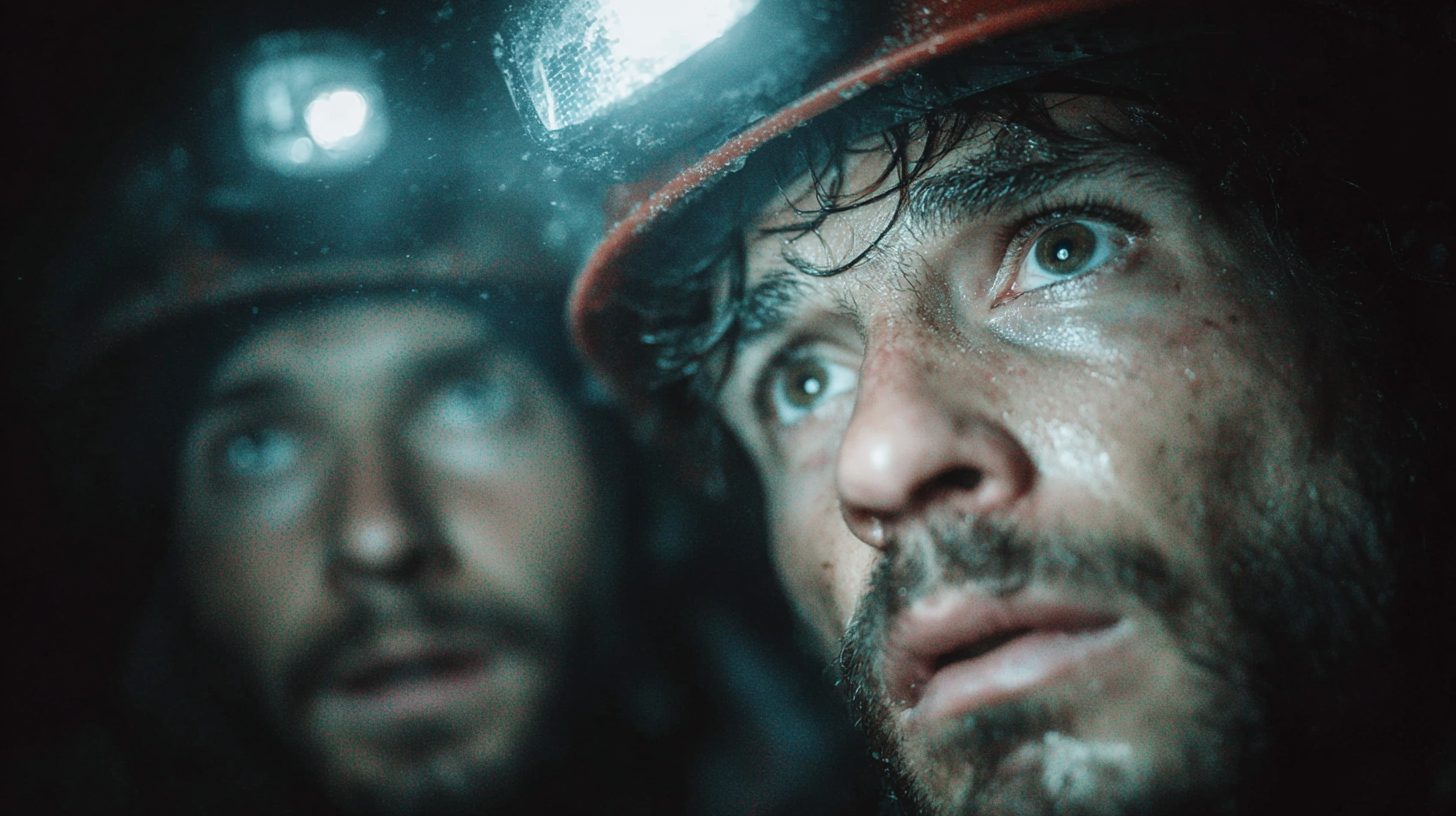
“Low-angle shot, perfectly preserved mirrored disco ball suspended inside sealed ancient temple chamber while archaeologists stare upward in stunned silence…”
This is apparently my life now.
Tools used so far:
Creative Stack
- Midjourney
- ChatGPT
- Kdenlive
- ElevenLabs
- Flow Music
- Grok Imagine
- Midbot bulk prompt processor
- WAN Lip-sync AI tools
- Sound design layering
8/9
The funniest part is that beneath all the surrealism…
…the project accidentally became sincere.
Because it’s really about continuity.
Humans gathering together in darkness.
Humans trying to synchronize emotionally.
Humans building temporary cathedrals out of rhythm and light.
Civilizations collapse.
The dance floor returns.
That’s the hidden emotional engine underneath the joke.
And I think audiences can feel when absurdity is secretly carrying something honest underneath it.
That tension creates resonance.
At least that’s the theory.
There’s also a very real possibility I’ve simply spent too many consecutive hours staring at AI-generated Mesopotamian disco artifacts.
Both things can be true simultaneously.
9/9
The real lesson from this project is something I keep relearning over and over:
Improvisation is not randomness.
Improvisation is excavation.
You dig.
You follow strange fragments.
You collect emotional evidence.
You trust recurring symbols.
You let accidents vote.
Then eventually the project tells you what it was trying to become all along.
Sometimes the work knows before you do.
And sometimes…
…apparently…
…the answer is ancient disco archaeology.
TL;DR:
I tried making a neon paranoia music video and accidentally uncovered evidence of ceremonial Bronze Age nightlife
Steve Teare
video alchemist
TerminallyBored.Monster
Palouse, Washington USA